
Residential solar TPO portfolios originated in 2024 delivered unlevered gross IRR between 6.3% and 8.7%, according to SEIA 2024 Solar Industry Research Data, yet most capital partners still lack a standardized framework for stress-testing those returns before commitment. TPO residential solar IRR depends on five compounding levers: system yield, credit tier mix, PPA escalator structure, ITC monetization, and residual asset value. Missing any one of them reprices a deal by 80 to 150 basis points.
What drives TPO residential solar IRR: the five return levers
A third-party ownership solar contract generates returns through five overlapping mechanisms, each with a distinct timing profile and risk weighting. Capital allocators who model all five together arrive at a defensible target IRR; those who focus on one or two discover pricing errors at the warehouse stage.
System performance yield sets the revenue floor. A 10 kW residential system in a 5.0 peak-sun-hour market produces roughly 17,500 kWh annually before degradation. NREL Solar Energy Research documents median degradation at 0.5% per year, meaning output at year 25 runs approximately 10.9% below year-one production. Underwriters model both P50 (median yield) and P90 (downside yield) scenarios and size reserve funds accordingly.
ITC monetization is the largest single value event in any TPO residential solar IRR calculation. The 30% federal Investment Tax Credit under the IRA, with the 48E technology-neutral pathway extending through 2027 and beyond as detailed in our 48E TPO solar tax credit 2027 guide, means a $28,000 installed system generates an $8,400 first-year credit for the TPO owner. Tax equity partners typically absorb the ITC through a flip structure, buying back their stake after the five-year IRS compliance window.
PPA escalator structure controls the revenue growth curve. Contracts with 1.5-2.9% annual escalators track projected utility rate inflation without creating a savings inversion that triggers homeowner prepayment. Escalators above 3% improve nominal IRR on paper but increase the probability that PPA rates exceed local utility rates within 12-15 years, at which point prepayment becomes economically rational for the homeowner.
Credit tier mix sets required default loss reserves. Pools weighted toward FICO 700+ borrowers allow underwriters to hold tighter reserves and accept narrower spreads at the ABS level, widening the gap between gross and net IRR to the equity tranche.
Residual asset value is the terminal return driver. After a 20-25 year contract term, systems retain 60-70% of original nameplate capacity. Most IRR models treat this conservatively, making residual value an embedded upside not fully priced into base-case returns.
TPO residential solar IRR underwriting: credit tiers, DSCR, and collateral quality
Strong TPO residential solar IRR modeling starts at the contract level, not the pool level. SunRaise runs three screens before any contract enters a pool destined for institutional capital.
Credit scoring thresholds. The minimum acceptable FICO for SunRaise-originated contracts is 650, with a target pool average of 700 or above. IREC residential solar portfolio research shows pools below a 660 weighted-average FICO experienced 2-4x higher default rates during economic stress periods versus prime-tier pools. The credit tier mix within a pool is the underwriter's primary tool for controlling loss reserve requirements.
DSCR at the pool level. The debt service coverage ratio measures projected PPA revenue against scheduled debt service. A floor of 1.35x buffers against default stress, production shortfalls, and escalator step-downs. Investment-grade ABS targets 1.40-1.55x, which translates to roughly 28-38 cents of annual revenue cushion per dollar of debt service.
Geographic and installer quality spread. A pool concentrated in a single market or sourced through one installer carries correlation risk. SunRaise caps single-market concentration at 30% and requires installer partners to maintain minimum warranty-reserve and performance-bond standards, as detailed in the solar TPO vs loan installer economics framework.
How capital partners model TPO residential solar IRR across performance scenarios
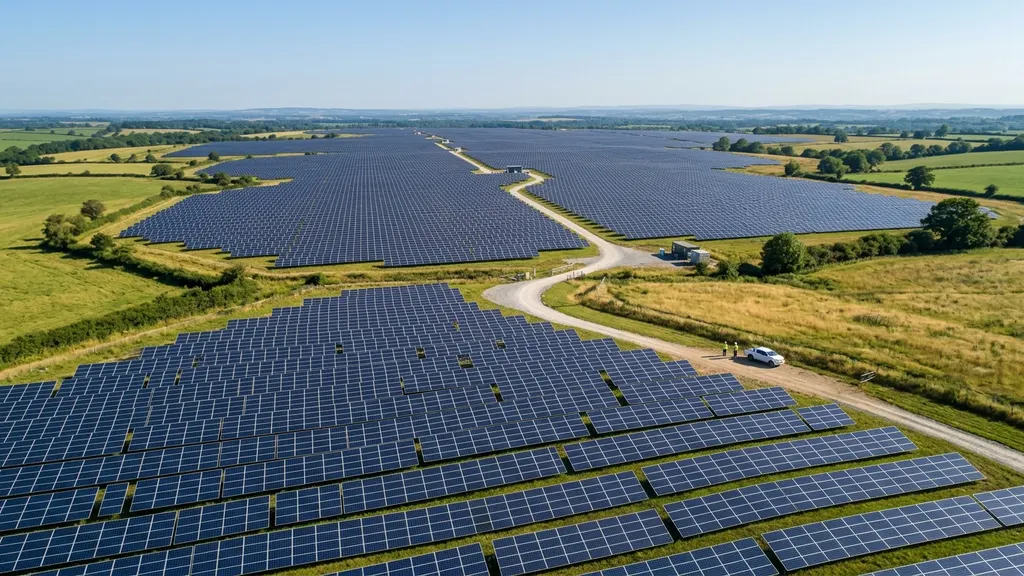
Three scenario bands drive any credible TPO residential solar IRR model: base case (P50 output, median credit performance, 2% PPA escalator), downside case (P90 output, 2x default rate, 0% escalator), and stress case (P90 output, 3x default, 1 percentage-point higher prepayment rate). The chart below shows unlevered IRR across escalator rates in each scenario.
The chart confirms why a 2% escalator anchors base-case IRR. At 3-4%, prepayment probability rises as PPA rates approach projected retail electricity costs. EIA Solar Energy data shows retail rates growing at an average 2.2% annually through 2035, making 2% the closest match to long-run rate parity. The residential solar ABS rating methodology guide covers how KBRA and DBRS translate these scenarios into required credit enhancement levels.
FEOC compliance and its effect on TPO residential solar IRR
The FEOC provisions in the Inflation Reduction Act restrict ITC eligibility for systems containing components from Foreign Entities of Concern. For TPO portfolios, FEOC non-compliance is a binary risk: it invalidates the ITC claim entirely, which directly depresses TPO residential solar IRR by 200-300 basis points on every affected system in the pool.
The DSIRE database of state solar incentives tracks state-level compliance requirements that layer on top of federal FEOC rules. In the majority of active residential solar markets, state incentives carry equipment sourcing requirements mirroring or exceeding the federal standard, compounding the risk for non-compliant originations.
FEOC-compliant modules and inverters carried an 8-12% cost premium versus FEOC-restricted alternatives in Q1 2026. SunRaise builds this cost into origination pricing through a systematic dealer certification process. Every contract admitted to an institutional pool carries verified ITC eligibility at the equipment level. The complete certification workflow is covered in the FEOC solar compliance 2026 IRA guide.

TPO residential solar IRR versus other fixed-income and real-asset classes
Institutional allocators routinely benchmark residential solar TPO against infrastructure debt, CMBS, and corporate bonds. The table and chart below show why TPO residential solar IRR commands a premium over comparably rated alternatives.
| Asset Class | Unlevered IRR | Duration | ITC Benefit | Inflation Link |
|---|---|---|---|---|
| TPO Residential Solar | 6.3-8.7% | 20-25 yr | Yes (30%) | Yes (PPA escalator) |
| Infrastructure Debt | 5.5-6.5% | 10-20 yr | No | Partial |
| CMBS BBB | 4.8-5.5% | 5-10 yr | No | No |
| Corporate IG | 4.0-5.0% | 5-10 yr | No | No |
| Municipal Bonds | 3.5-4.5% | 10-30 yr | No | Limited |
The TPO premium reflects three structural advantages absent from most fixed-income alternatives: the 30% ITC upfront event, built-in inflation linkage through PPA escalators, and a 25-year asset life that extends income duration without proportional credit risk.
We cover the details separately in Residential Solar Asset Management Platform: 25 Years of Reporting.
Structuring a TPO portfolio for ABS securitization
The pathway from individual TPO contracts to securitized ABS notes runs through warehouse funding, pool assembly, credit enhancement sizing, and shelf registration. Each stage affects net TPO residential solar IRR through its impact on cost of capital and timing of ITC monetization.
Warehouse lines typically price at SOFR plus 150-250 basis points and fund 70-80% of contract face value. The warehouse phase is where final DSCR screening occurs: contracts failing the 1.35x floor or carrying FEOC exposure are excluded before pool assembly. SEC ABS registration guidance mandates standardized disclosure of credit enhancement levels, deal triggers, and servicer obligations for any publicly offered residential solar ABS.
After securitization, the sponsor receives proceeds net of note coupons, enhancement costs, and servicer fees. For a well-structured pool at 7.5% gross unlevered IRR, levered returns to the equity tranche in the 12-15% range are achievable after financing costs, as detailed in the community solar subscriber credit risk and capital underwriting framework.
Frequently asked questions
What is a realistic unlevered IRR for a TPO residential solar portfolio?
Unlevered gross TPO residential solar IRR has ranged from 6.3% to 8.7% in recent origination cohorts. The spread depends on credit tier mix, PPA escalator structure, ITC monetization efficiency, and geographic concentration. Higher-quality pools with FICO 700+ borrowers and 2% escalators in high-irradiance markets reach the upper bound, while pools with lower credit tiers settle in the 6-7% range. SEIA 2024 Solar Industry Research Data places the median for 2023-2024 originations at approximately 7.2%.
How does the 30% ITC affect TPO residential solar IRR?
The 30% Investment Tax Credit under the Inflation Reduction Act is the largest single driver of TPO residential solar IRR, contributing approximately 200-300 basis points to unlevered returns. The TPO owner claims the ITC in the year the system is placed in service, creating a substantial upfront cash event recouped against capital deployed. NREL Solar Energy Research modeling shows the ITC compresses payback period by 3-4 years versus a pre-IRA framework, which is why ITC transferability and tax equity structuring remain central to institutional TPO underwriting.
What FICO threshold do institutional buyers require for TPO solar contracts?
Most institutional capital partners require a minimum FICO of 650-680 for TPO solar contracts, with a preferred pool average of 700 or above. IREC residential solar portfolio analytics show pools with weighted average FICO above 700 have lifetime default rates below 0.8%, while pools with weighted average FICO below 660 have experienced default rates in the 2-4% range. Rating agencies evaluating residential solar ABS apply stressed default assumptions of 2-3x historical rates, so a higher credit pool provides meaningful cushion under KBRA and DBRS stress scenarios.
How does FEOC compliance affect TPO solar portfolio underwriting?
FEOC compliance requirements restrict ITC eligibility for systems using components from Foreign Entities of Concern. For TPO portfolios, FEOC non-compliance invalidates the ITC claim, removing 200-300 basis points from unlevered IRR on affected systems. The DSIRE database of state solar incentives tracks state compliance overlays that often mirror or exceed federal standards. Installers sourcing FEOC-compliant equipment face 8-12% higher system costs in 2026, which SunRaise factors into dealer origination pricing at contract execution.
What DSCR is required for a TPO solar ABS to achieve investment grade?
Securitized TPO solar pools generally need a debt service coverage ratio of 1.35x or above for BBB- or higher ratings from KBRA and DBRS. Most investment-grade structures target 1.40-1.55x DSCR at the pool level, with subordination set to absorb a 5-8% default stress. SEC ABS registration filings show residential solar deals with DSCR above 1.50x have maintained ratings through two refinancing cycles, while pools priced below 1.35x have faced negative watch actions when prepayment or default rates exceeded base case assumptions.
What PPA escalator rate maximizes TPO residential solar IRR without raising prepayment risk?
PPA escalators between 1.5% and 2.9% per year produce the best risk-adjusted profiles in residential solar TPO portfolios. Escalators in this band provide inflation protection while keeping the PPA rate below projected retail electricity prices, reducing the homeowner's economic incentive to prepay. EIA Solar Energy data shows retail electricity rates growing at an average 2.2% annually through 2035, making a 2% escalator the closest match to long-run rate parity over the contract term.